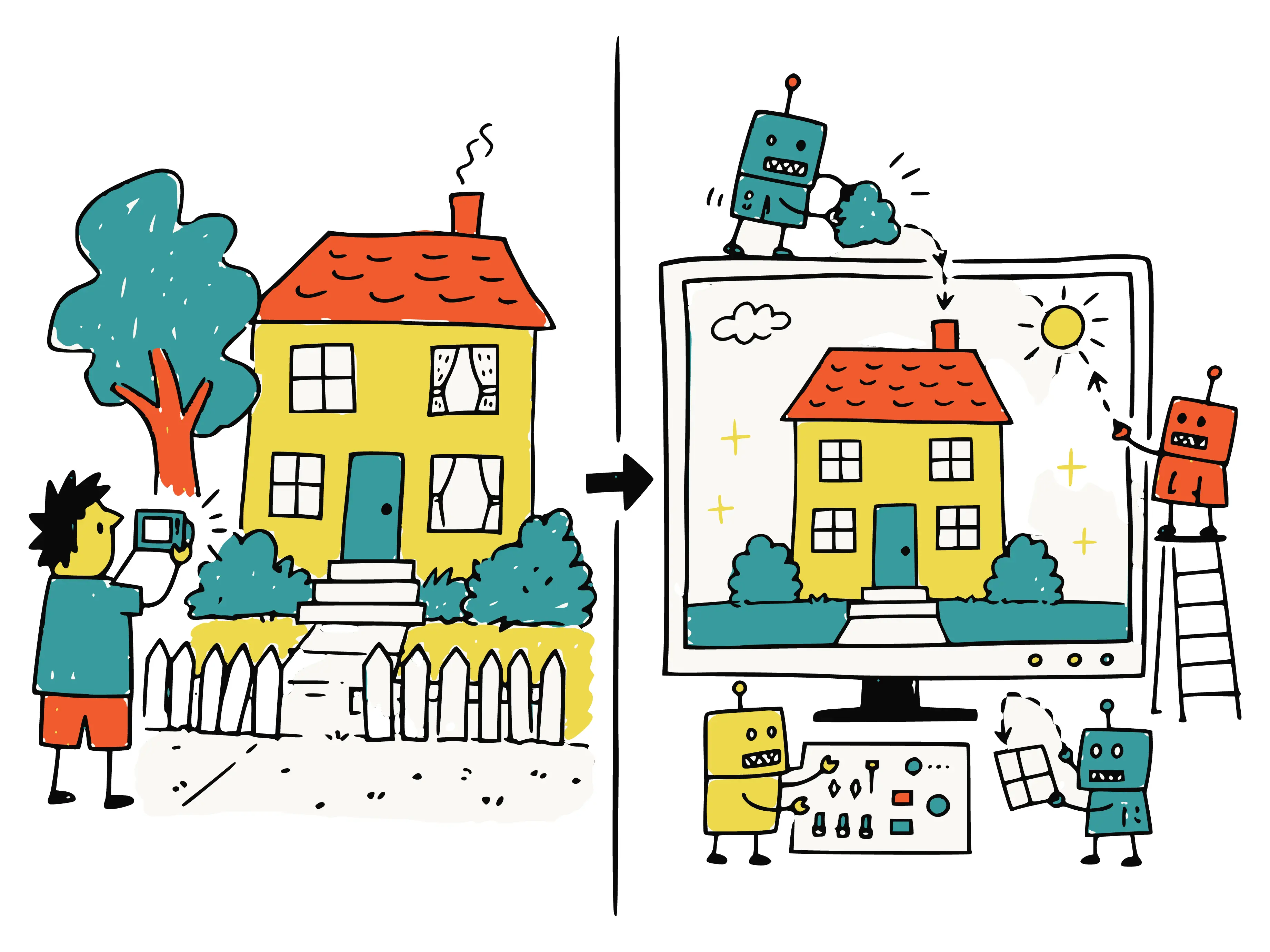
You fall for a sunlit living room online, then walk in and find a different room. AI makes that kind of photo easy to produce, and lawmakers have started to act. California has required agents to label altered listing photos since January. Pennsylvania's new AI advertising law takes effect December 21.
Not every new rule reaches us in Northwest Philadelphia yet, but I've advocated for this kind of transparency for a long time. On my listings, every AI-edited photo sits next to its original, and you can see how that works on 103 Kingsley Street below.
How common are AI-altered listing photos?
The real estate intelligence platform Coraly reviewed just under 40,000 primary listing photos on Zillow, Redfin, Realtor.com and Homes.com, HousingWire reported in June. Of those, 10.8 percent showed signs of digital alteration. More than 90 percent of the altered photos carried no visible disclosure.
I'll be honest, the missing labels didn't surprise me.
AI isn't the villain here. Virtual staging, where software adds furniture to an empty room, can help buyers picture how a space might work. The trouble starts when an edit changes the house and the buyer can't tell.
California now requires labels on altered photos
Since January 1, 2026, California's AB 723 has required agents to label any marketing photo that's been altered to add, remove or change elements of a property. Agents also have to give buyers access to the unedited original. Routine adjustments like exposure, white balance and cropping don't count. The California Regional MLS goes further and requires the original to appear immediately before or after the altered version.
Other markets are following. Wisconsin's disclosure law takes effect January 1, 2027. One Wisconsin MLS already sanctions agents $10 a day for altered primary photos.
New York and New Jersey have only proposals so far. In July, New York City Mayor Zohran Mamdani proposed requiring rental listings to disclose AI-edited photos. A bill in the New York State Assembly would cover homes for sale as well as rentals. New Jersey lawmakers are weighing limits on deceptive AI listing images, Fortune reported.
What's changing in Pennsylvania
Pennsylvania doesn't have a listing-photo law like California's. Our MLS, Bright, allows virtual staging as long as it presents a true picture and is disclosed in both the public and private listing remarks. It also prohibits edits to things the owner doesn't control, like power lines or a nearby road.
That could shift soon. On October 22, Gov. Josh Shapiro signed the Artificial Intelligence Deceptive Advertising Act, which takes effect December 21. It's written for advertising in general. It requires a clear label when AI-generated or significantly AI-modified content gives a false impression of what's being sold.
The law doesn't say what makes an impression false, and a Loeb & Loeb analysis calls that its key ambiguity. Until that gets sorted out, labeling every AI-edited listing photo is the safe habit.
How agents can respond
The REALTOR® Code of Ethics already requires us to present a true picture in our advertising. Four habits help:
- Keep every original. You should be able to show a buyer the real room in seconds.
- Put the original next to the edit. It's the California Regional MLS rule, and it's the clearest answer to "is this real?"
- Label any AI edit that changes what's in the photo. A restyled room or a new light fixture gets the label and its original beside it. Erasing a crack, a power line or a neighbor's house is off limits, label or not.
- Talk to sellers before the shoot. Set expectations about what AI will and won't be used for.
How I present AI photos on my listings
When I built this site through Letterbox Digital, my web and marketing studio, AI labeling was part of the listing page from day one.
The photos below come from my listing at 103 Kingsley Street in Manayunk. They're the six that have AI versions, shown with the same labels and slider the listing page uses.
Cards marked ✦ AI: hover to preview the enhanced version, click to compare side by side
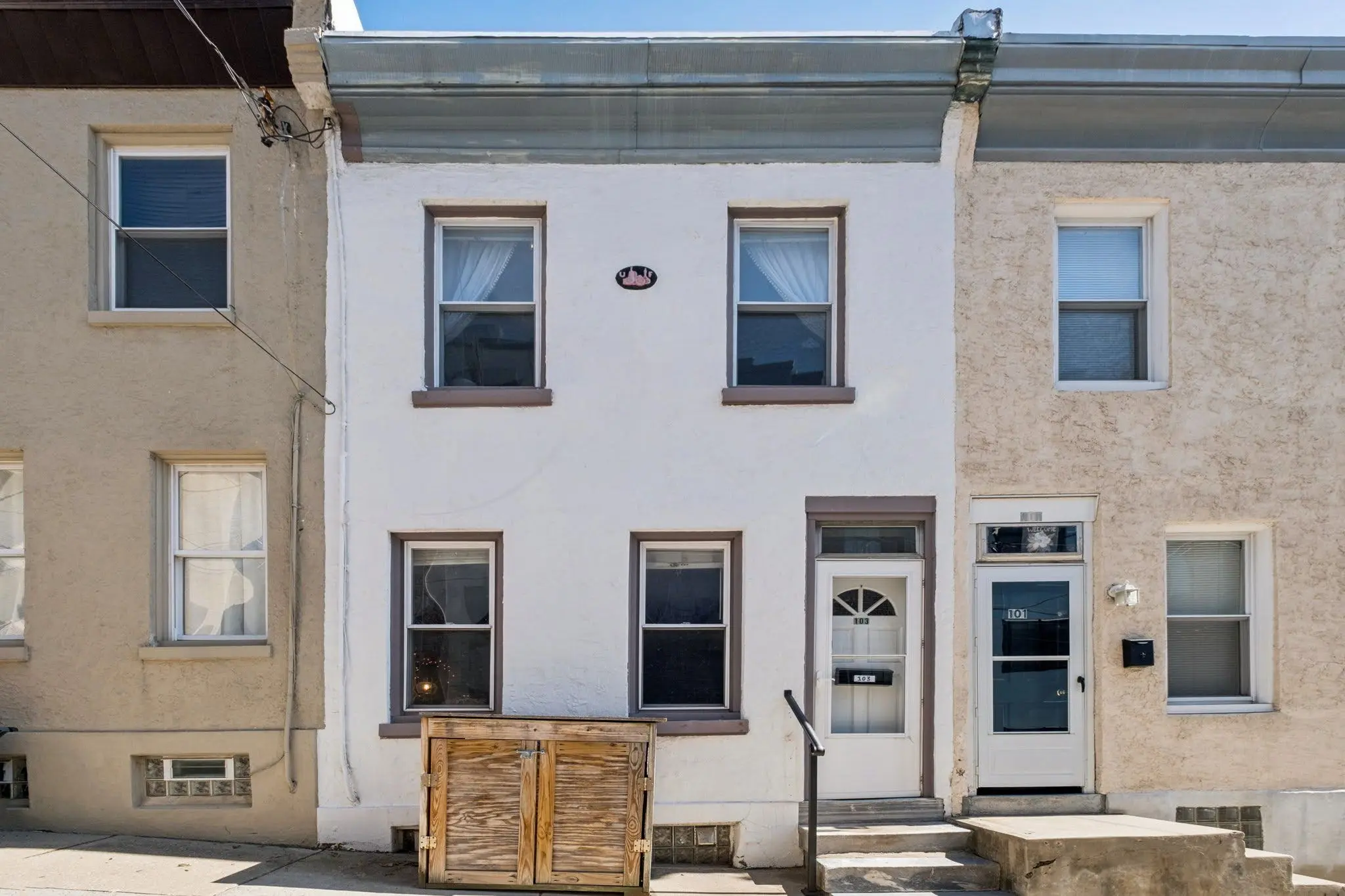
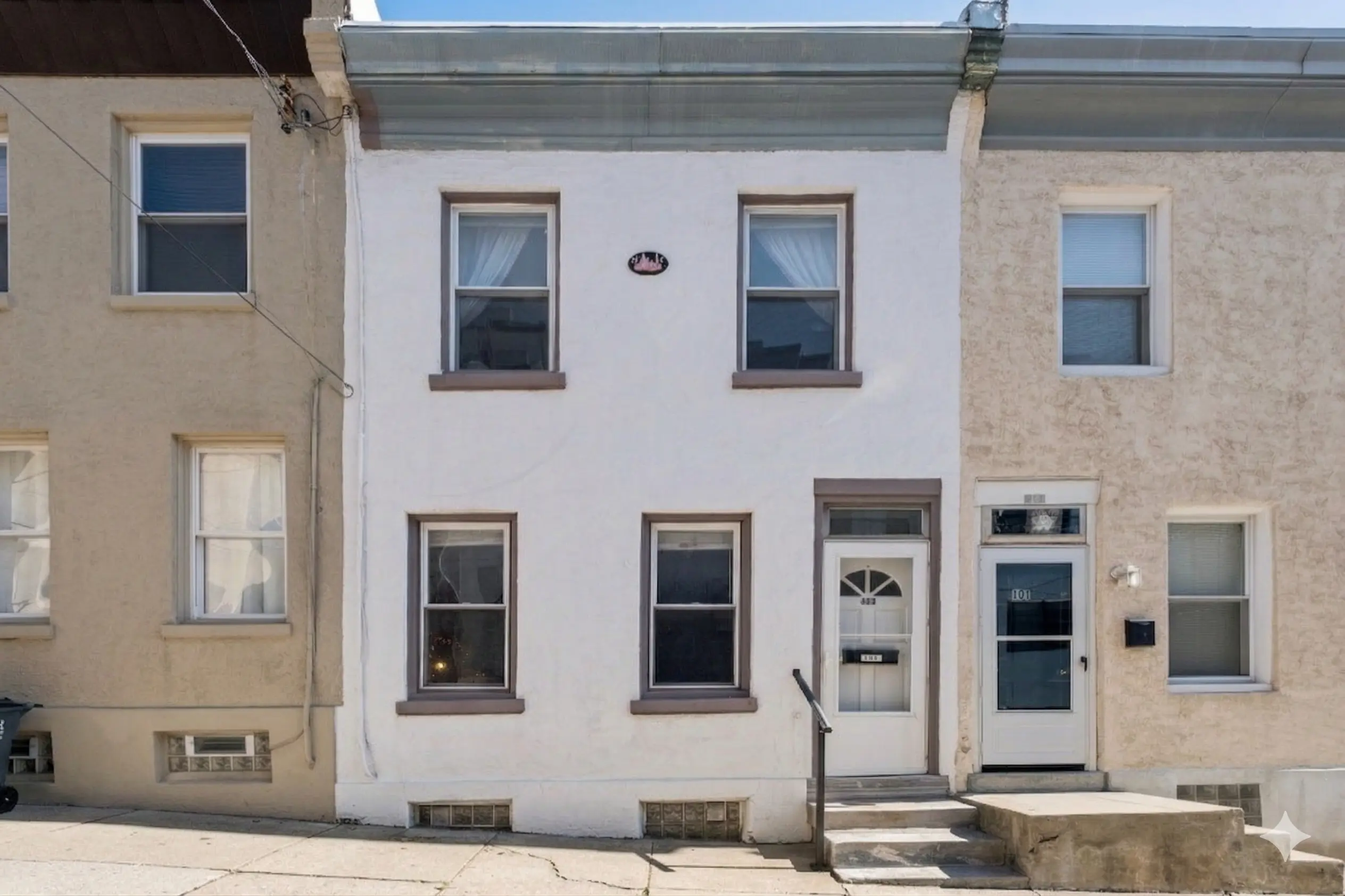
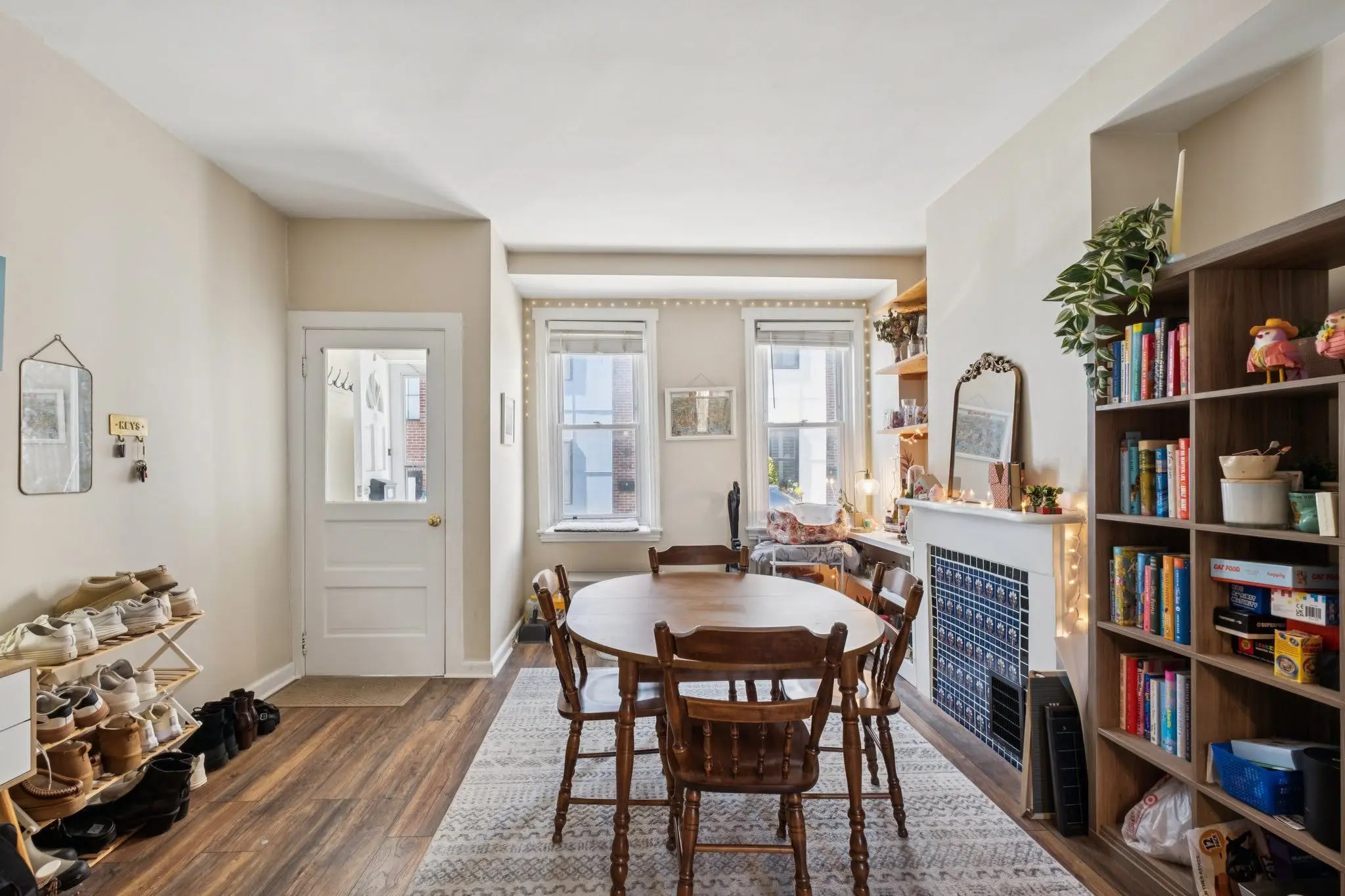
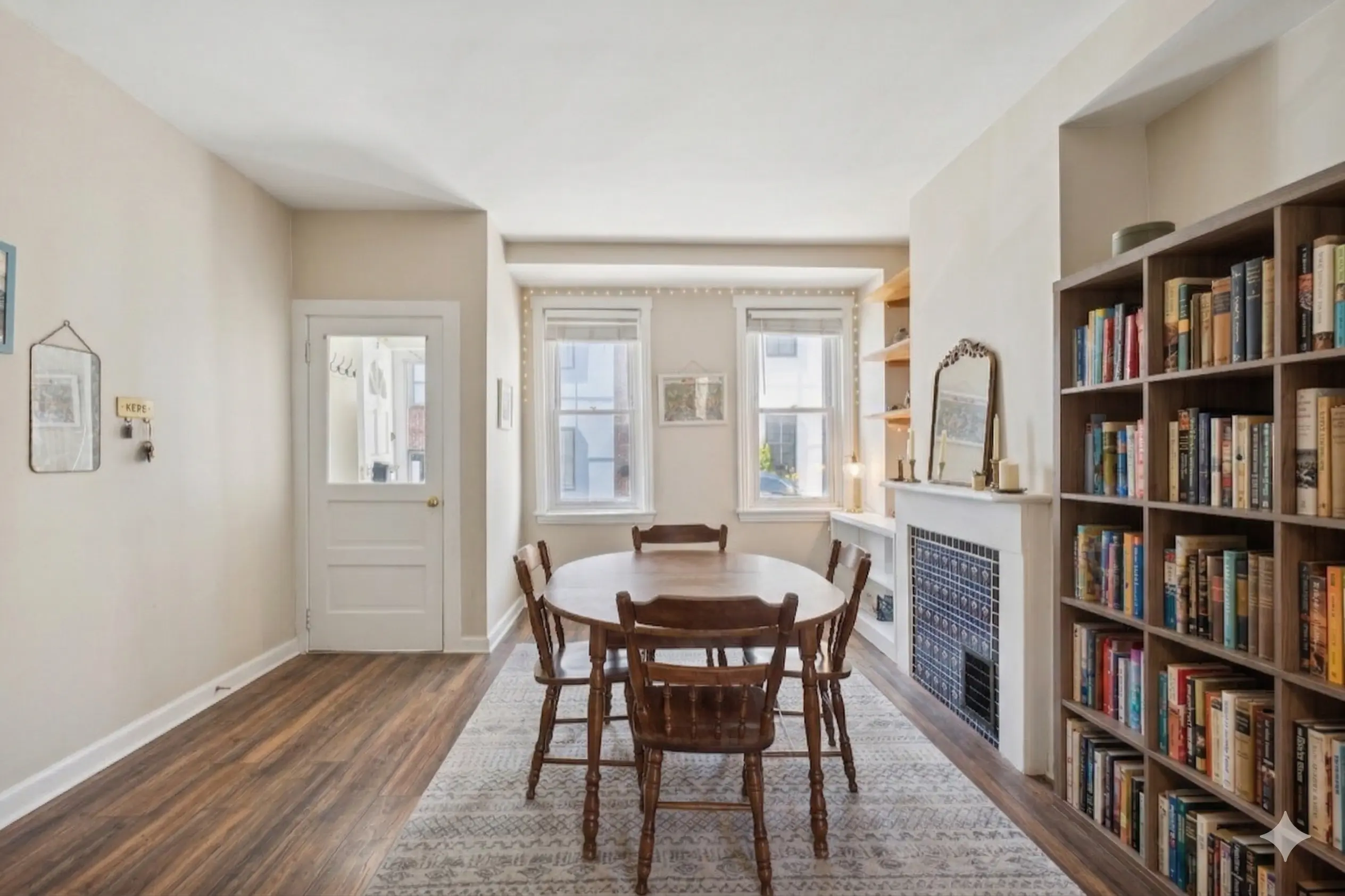
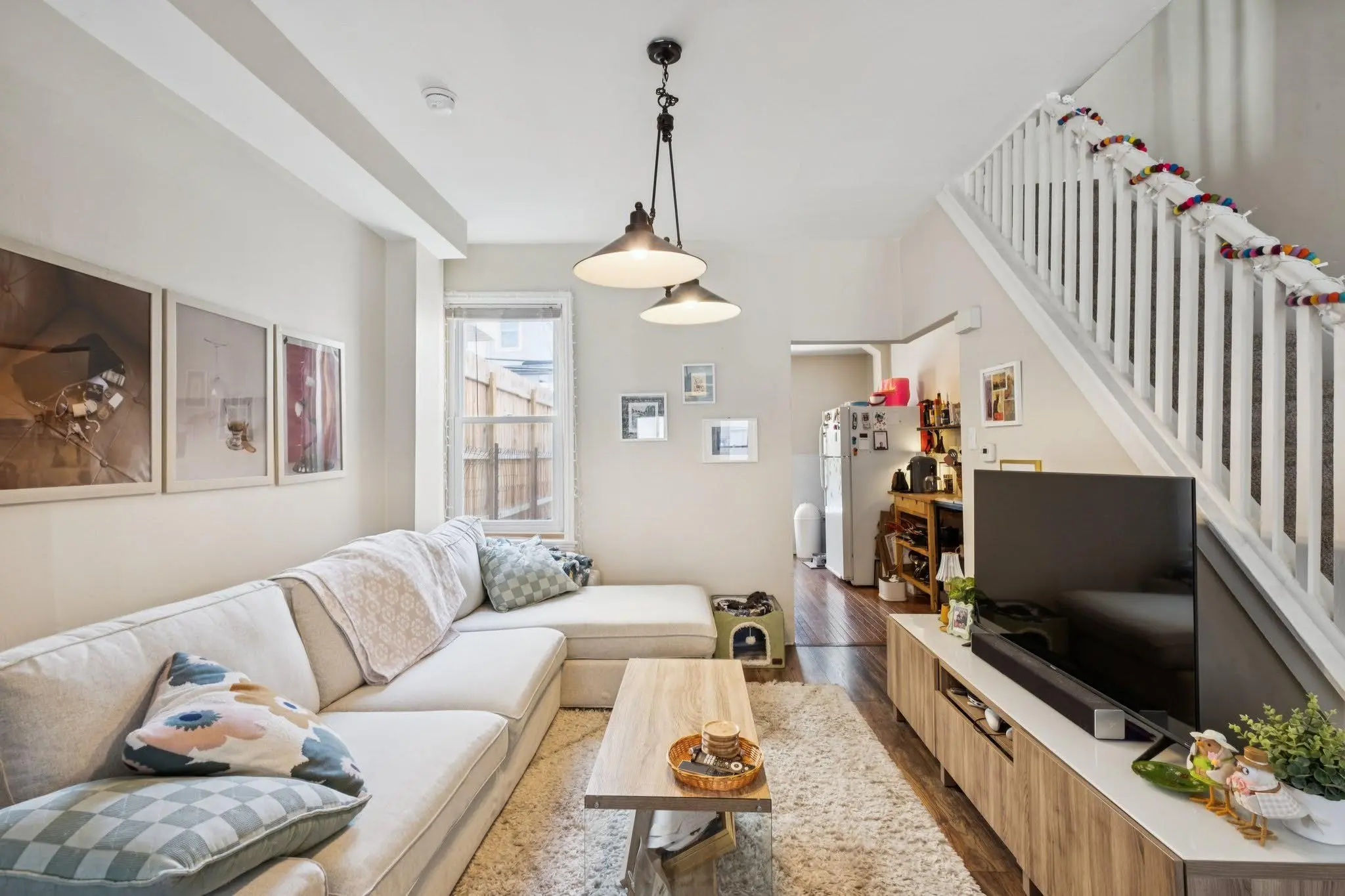
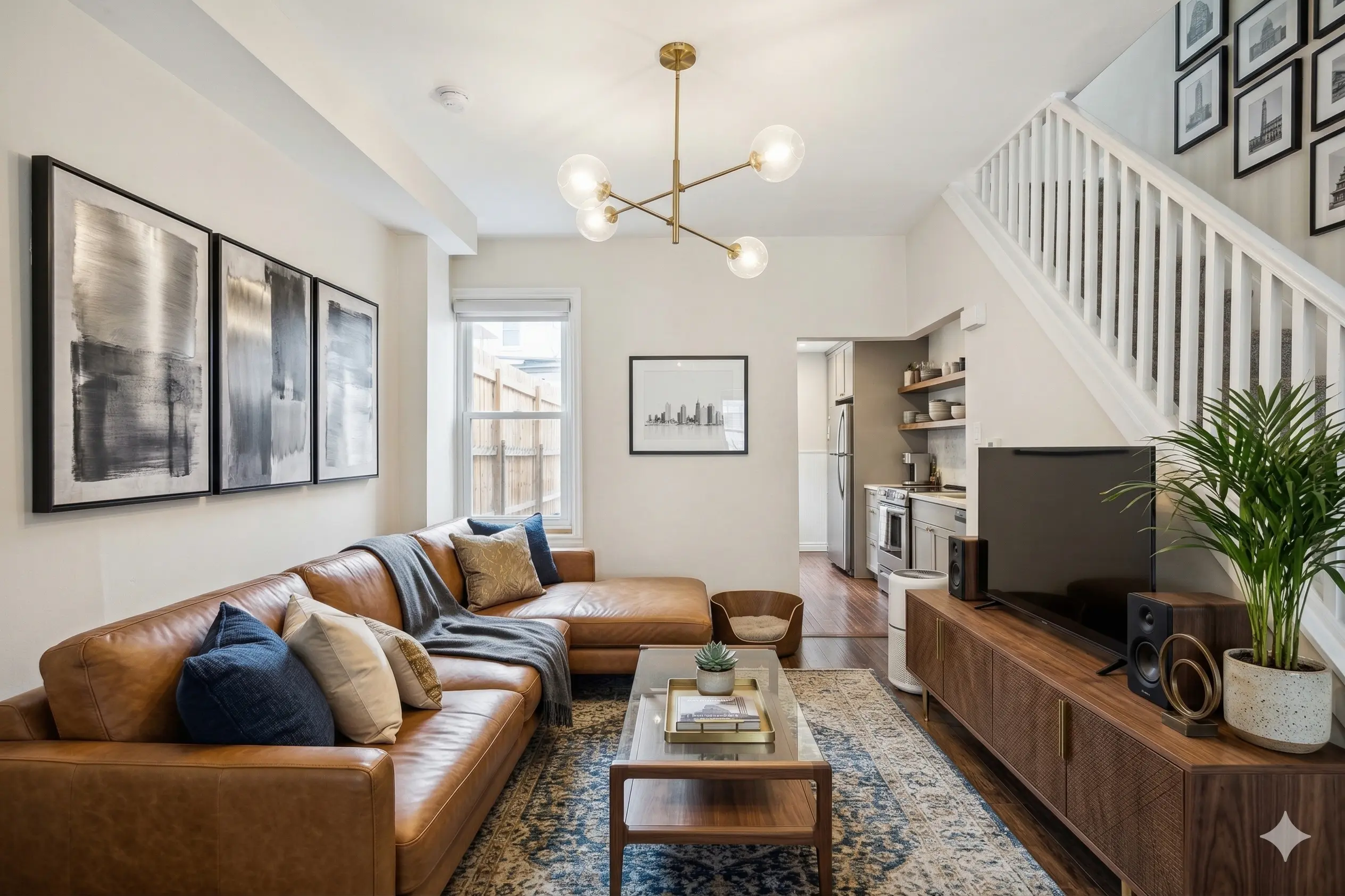
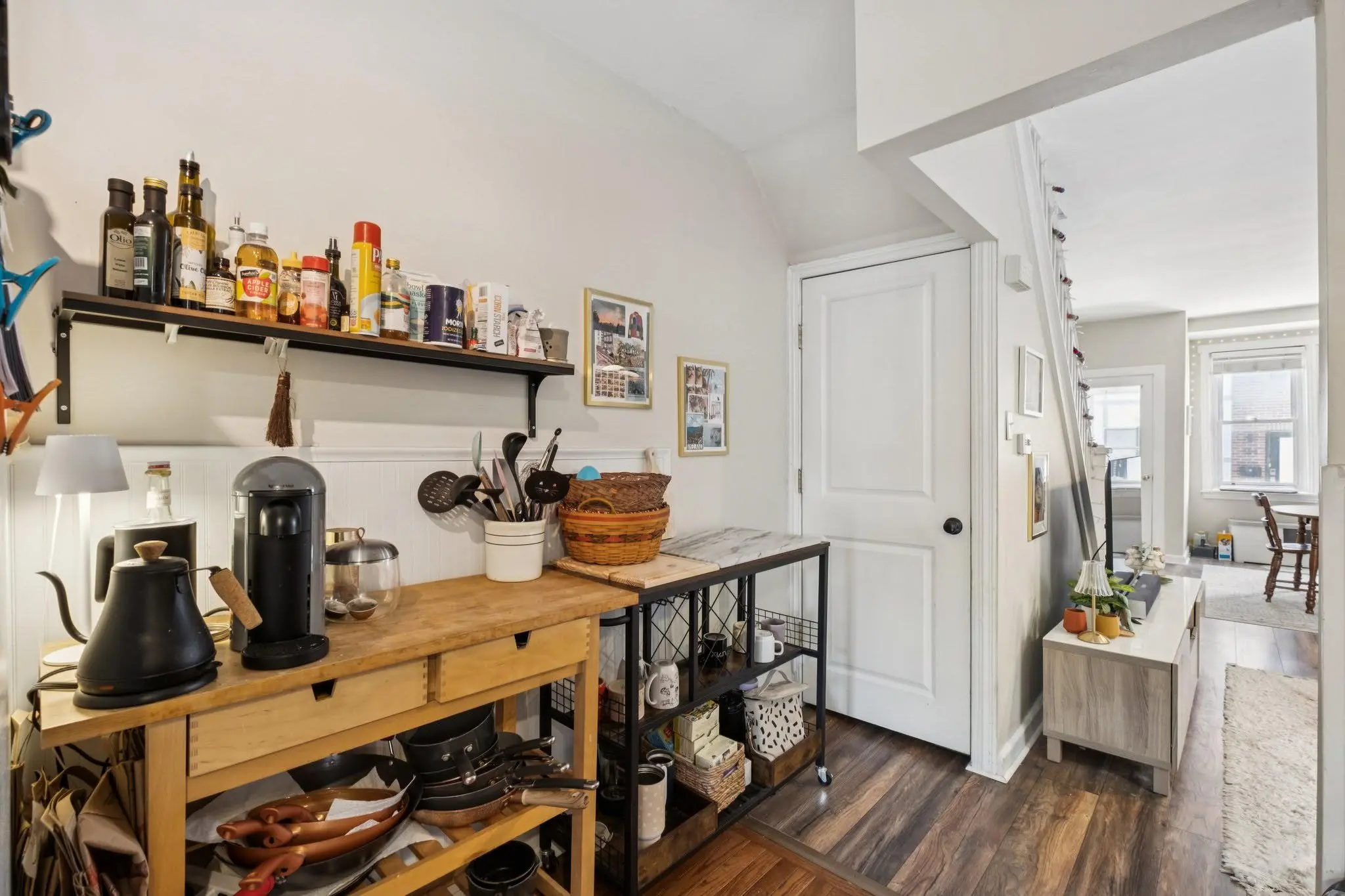
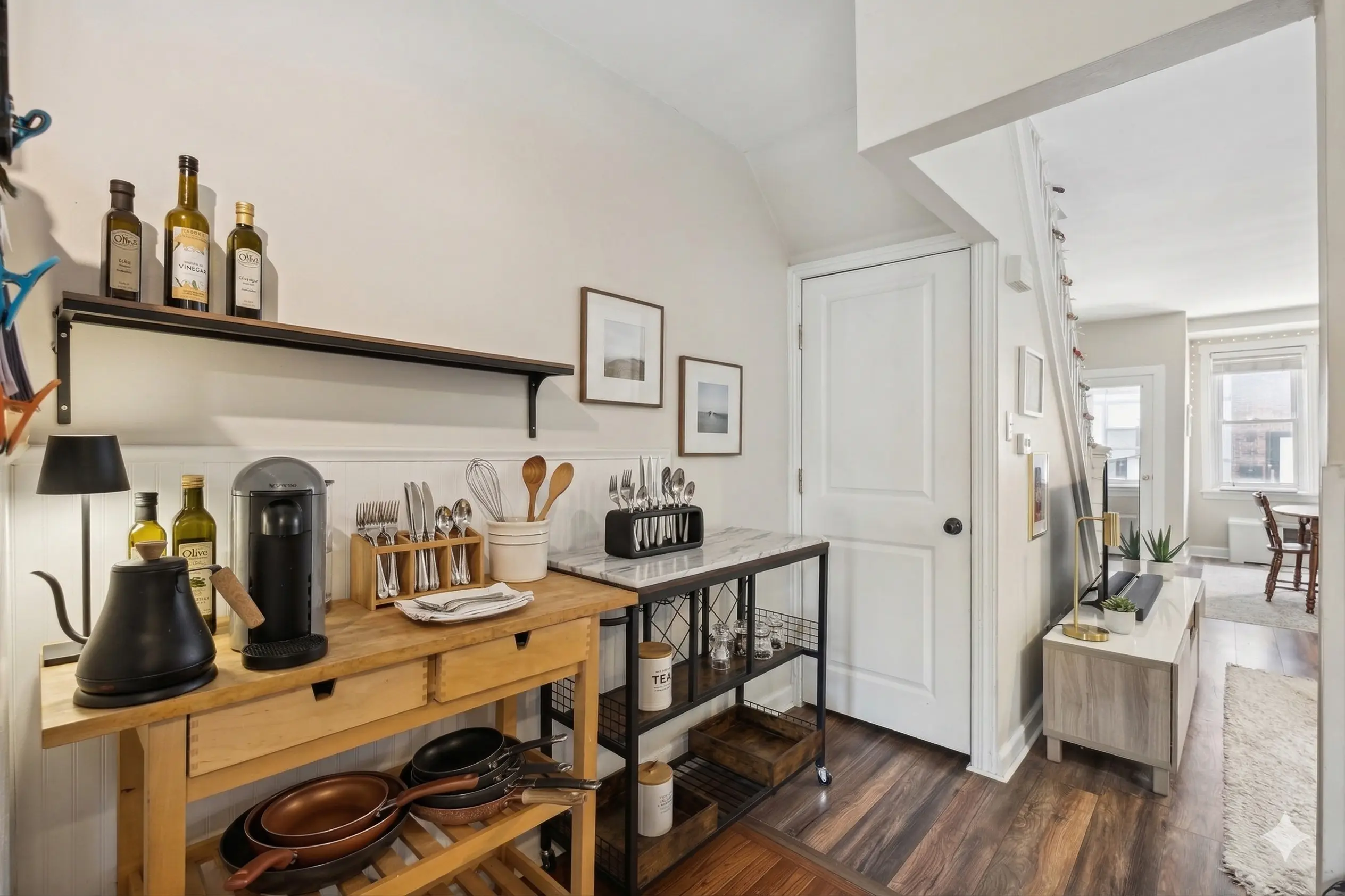
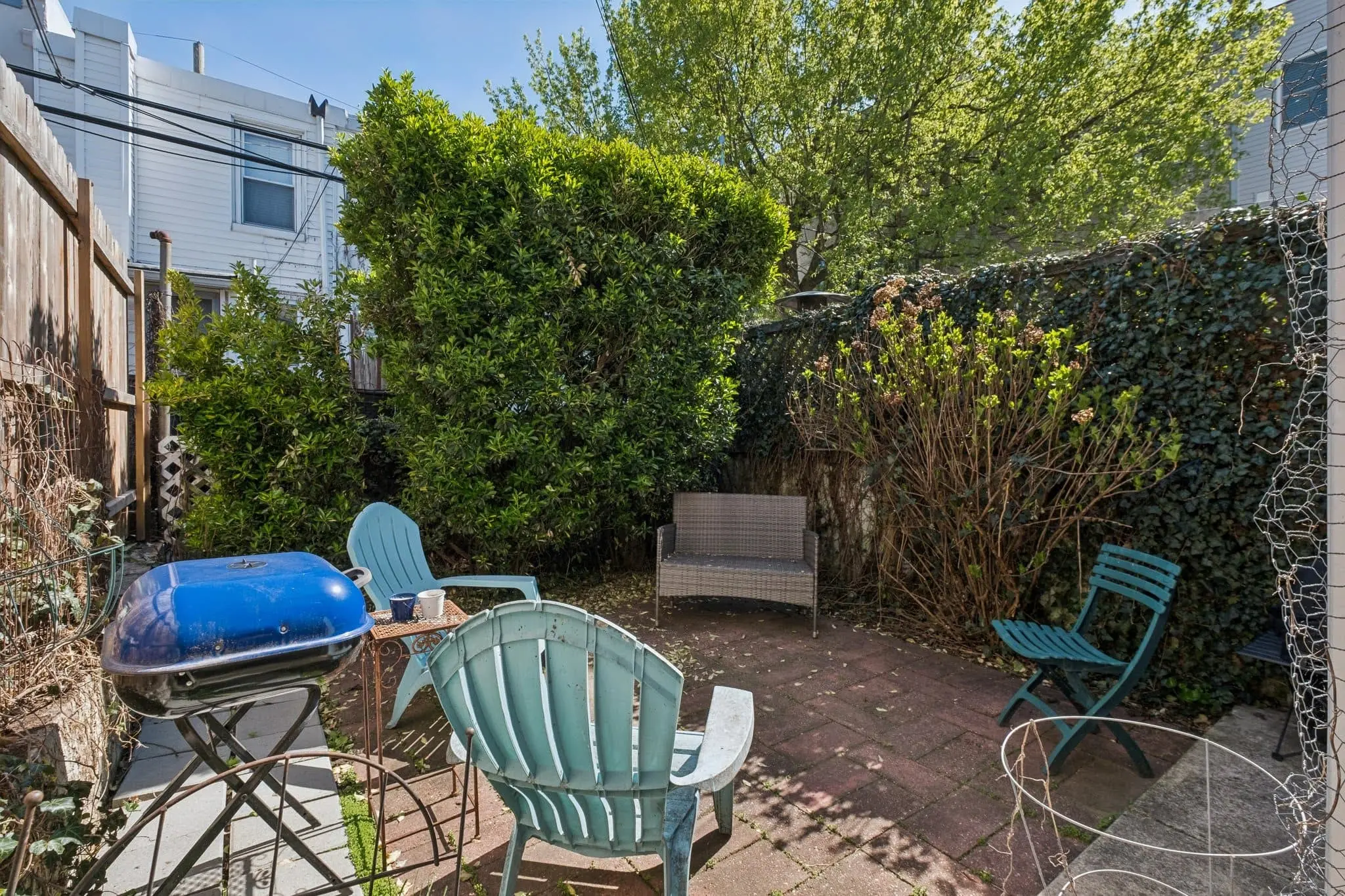
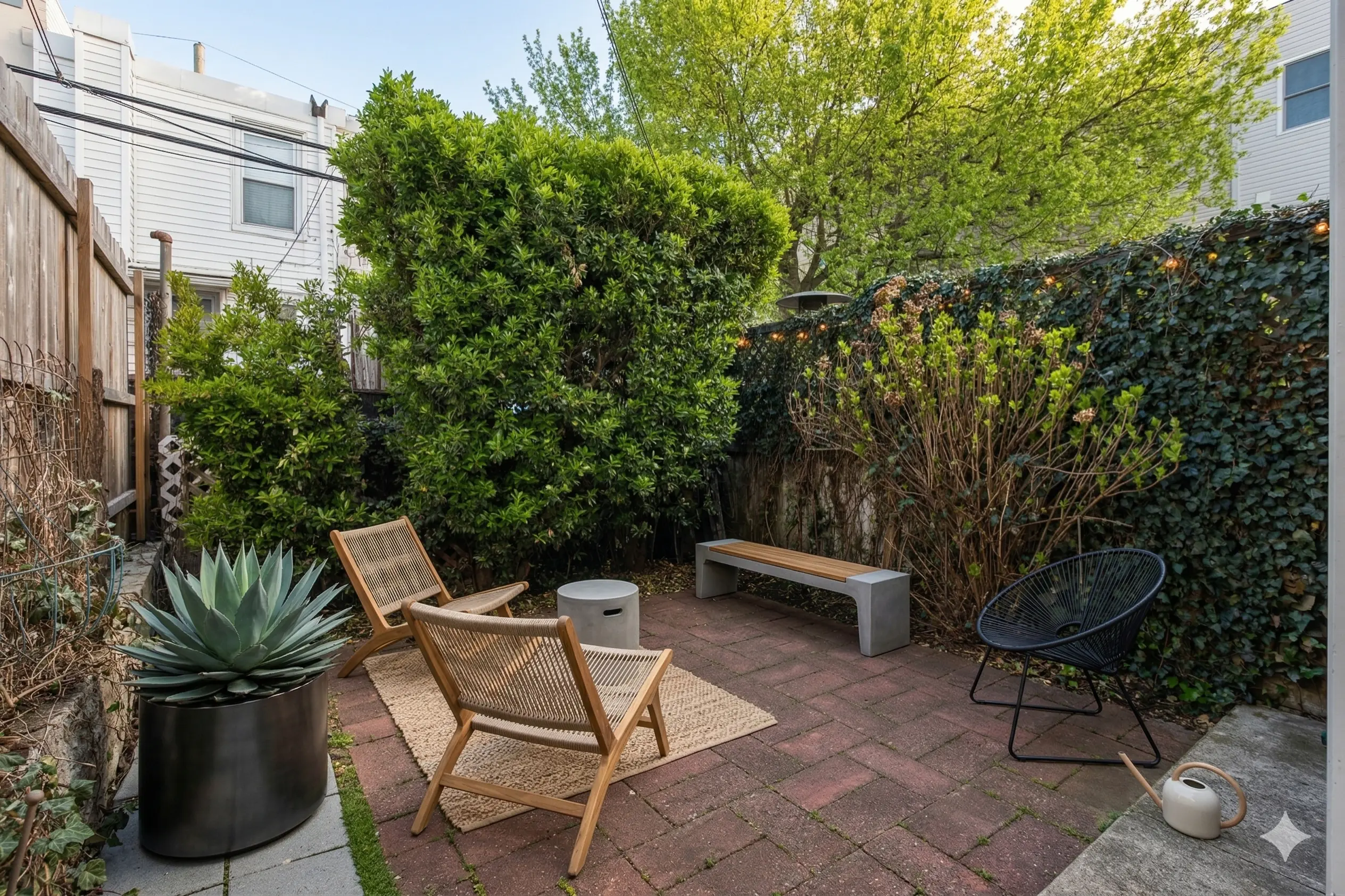
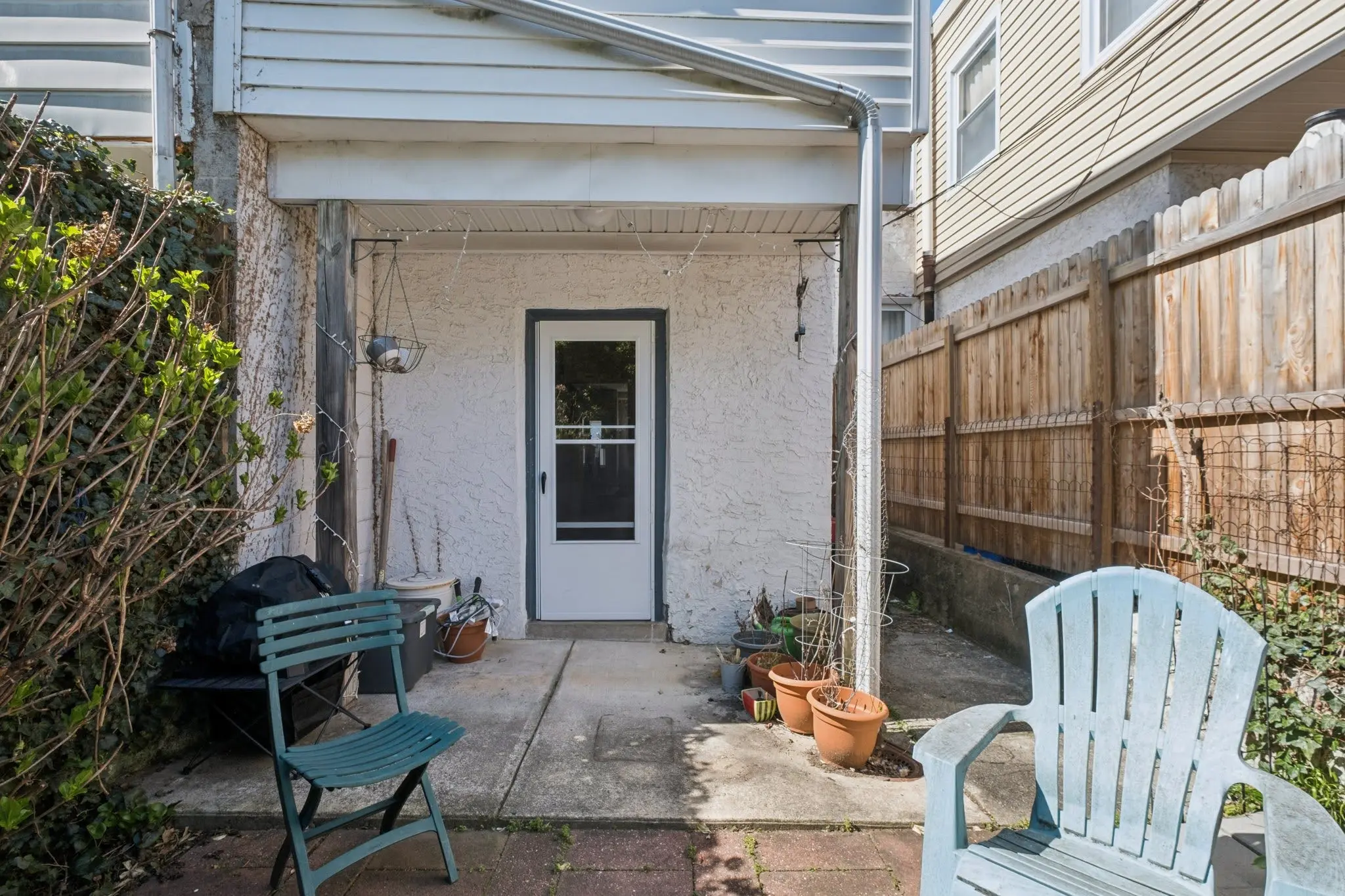
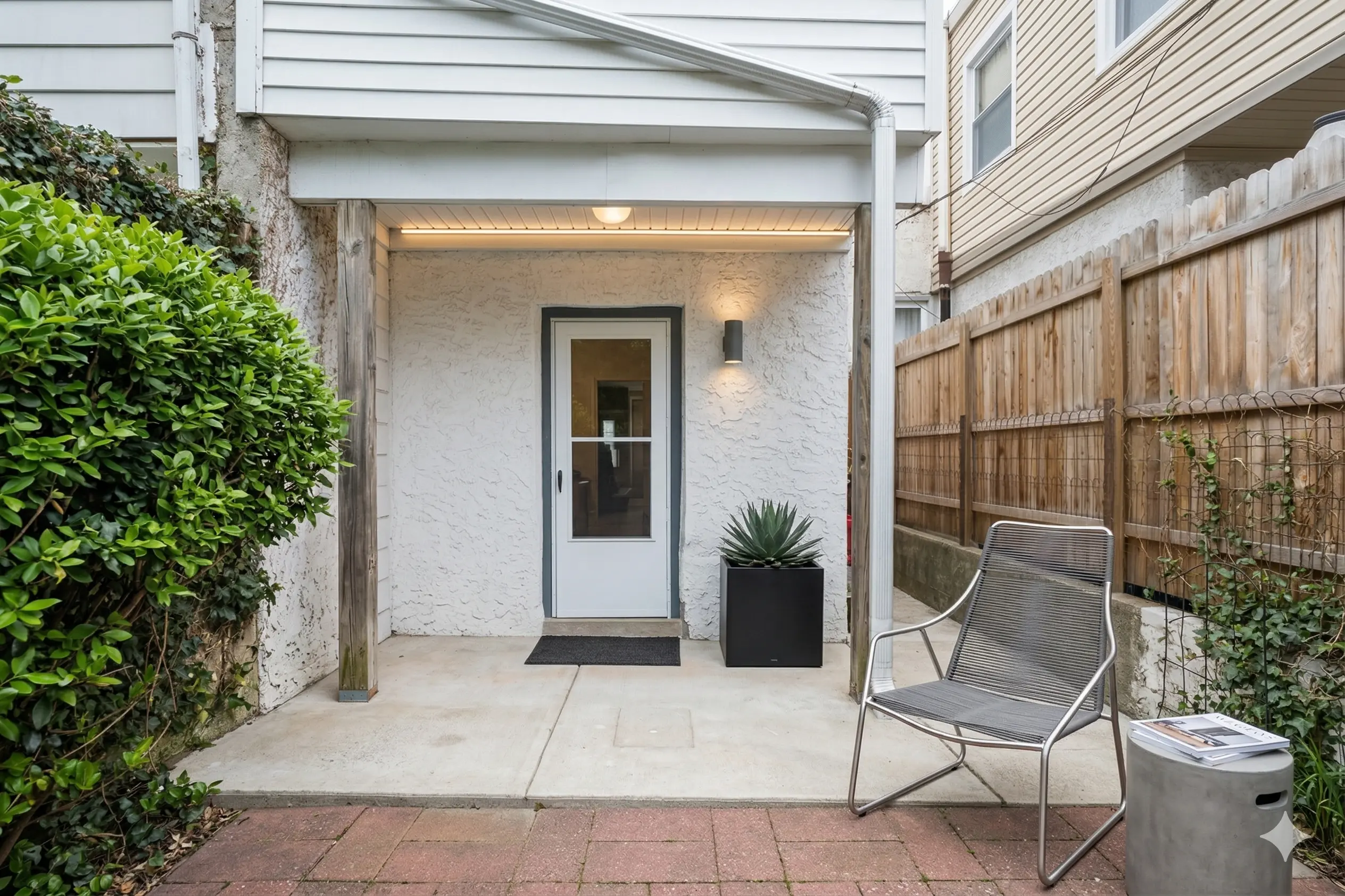
Each card shows the original photo, tagged "✦ Original" in the corner. Hover over it and the AI version fades in with an "✦ AI Enhanced" badge. Click or tap and a slider opens with the original on the left and the edit on the right, so you can drag between the two. In the listing's full-size photo viewer, each edit comes right after its original, which meets the California Regional MLS rule.
Most of the edits swap furniture and art or clear clutter. Out front, for example, the AI removed a wooden trash can organizer from the sidewalk and left the overhead wires alone. Two go further. In the living room, the AI swapped the light fixture and redrew the kitchen seen through the doorway. On the back porch, it added a wall light and filled in the shrub beside the door.
Kingsley sold for $332,000. That's $12,000 over asking, and the listing page showed every edited photo next to its original.
If you're thinking about selling in Manayunk, Mt. Airy or anywhere in Northwest Philly and want your home to look its best without stretching the truth, reach out. I'm happy to pull up the Kingsley page and walk you through how we'd photograph yours. You can also see how I sell homes in Manayunk.
I'm a REALTOR®, not a lawyer, and nothing in this post should be taken as legal advice. The laws and MLS rules described here are changing quickly. Sellers should check with their agent and, where appropriate, a licensed Pennsylvania real estate attorney before acting.
Henry is a Philadelphia-based REALTOR® serving buyers and sellers in Northwest Philadelphia and Montgomery County, PA. Questions? Get in touch.
Frequently asked questions
How common are AI-altered listing photos?
Coraly, a real estate intelligence platform, reviewed just under 40,000 primary listing photos. They were posted on Zillow, Redfin, Realtor.com and Homes.com in the first quarter of the year. Of those, 10.8 percent showed signs of digital alteration. More than 90 percent of the altered photos carried no visible disclosure, HousingWire reported in June.
What does California’s AB 723 require?
California agents must label any marketing photo edited to add, remove or change part of a property. That has been the law since January 1, 2026. They must also give buyers access to the unedited original. Routine edits like exposure, white balance and cropping don’t count. The California Regional MLS also requires the original to appear immediately before or after the edited photo.
Do agents in Pennsylvania have to disclose AI-edited listing photos?
For virtual staging, yes. Bright MLS, which serves Philadelphia, requires it to be disclosed in both the public and private listing remarks. It also bans edits to things the owner doesn’t control, like power lines or a nearby road. Pennsylvania’s Artificial Intelligence Deceptive Advertising Act takes effect December 21, 2026. It requires a clear label when significantly AI-modified content gives a false impression of what’s being sold. It’s written for advertising in general, and how it applies to listing photos isn’t settled yet.
What does an AI label look like on a listing?
On my listings, each AI-edited photo shares a card with its original, which carries an “Original” tag. Hovering fades in the edited version with an “AI Enhanced” badge. Clicking opens a slider that puts the two side by side. In the full-size photo viewer, each edit comes right after its original.