If you've ever walked through a stone twin in Germantown or a Victorian in Chestnut Hill on an August afternoon, you know the feeling. Some rooms are fine. Others... not so much. That's the reality of living in an older home around here. Most of the housing stock in Northwest Philadelphia and the surrounding Montgomery County suburbs was built well before air conditioning was standard. Heating was the priority. Cooling? That was what porches and shade trees were for.
But Philadelphia summers aren't what they used to be. According to data analyzed by the Philadelphia Inquirer and Climate Central using NOAA records, average summers in the city are now roughly 3 degrees warmer than they were in 1970. Nights have warmed even more. Fifty years ago, a typical Philly summer had about 20 days over 90 degrees. Now it's closer to 32. That trend hits harder when your house wasn't designed with cooling in mind.
When Ductwork Is Already There
If a home already has ductwork in place, usually from a forced-air furnace, the most common cooling setup is traditional central air. An outdoor condenser sits alongside the house and connects to an indoor evaporator coil, which uses that existing ductwork to deliver cooled air through vents. According to Carrier, these systems work by pulling in air from the home, cooling it, and pushing it back through the ducts. When the ductwork is already there, this is the most straightforward option.
The challenge is that many older homes in Mt. Airy, Roxborough, and East Falls don't have ductwork at all. They were built with radiators or hot water heat. That's where things get interesting.
High-Velocity Systems: Built for Older Homes
High-velocity systems (sometimes called small duct or mini duct systems) were originally developed in the 1970s specifically for retrofitting homes that lack ductwork. Brands like SpacePak and Unico use small, flexible 2-inch ducts instead of the standard 6-to-8-inch rectangular sheet metal ductwork you'd see in a conventional central air setup. These small ducts can snake through existing walls, ceilings, and tight spaces without tearing anything apart. The outlets are small and discreet, and they can go in floors, walls, or ceilings. For a stone colonial or a plaster-walled twin that you don't want to gut, it's a solid option.
One bonus: high-velocity systems tend to remove significantly more humidity than conventional central air, which matters here. Philadelphia summers are as sticky as they are hot. That extra moisture removal can make a room feel noticeably cooler without cranking the thermostat down.
Ductless Mini-Splits: Room-by-Room Flexibility
Ductless mini-split systems are another popular choice. As Bryant explains, these systems skip ductwork entirely. An outdoor compressor connects to one or more indoor wall-mounted units, each controlled independently. That means you can cool the bedrooms at night without running the whole house. For homes where adding ductwork is impractical or too costly, mini-splits offer flexibility. The trade-off is aesthetic. Those wall units are visible, which doesn't bother everyone, but it's worth considering in a home with a lot of architectural character.
Don't Forget About Air Movement
Whatever system you have (or plan to install), air circulation matters more than people think. The U.S. Department of Energy recommends combining proper ventilation with insulation and shading as a first line of defense before relying entirely on air conditioning.
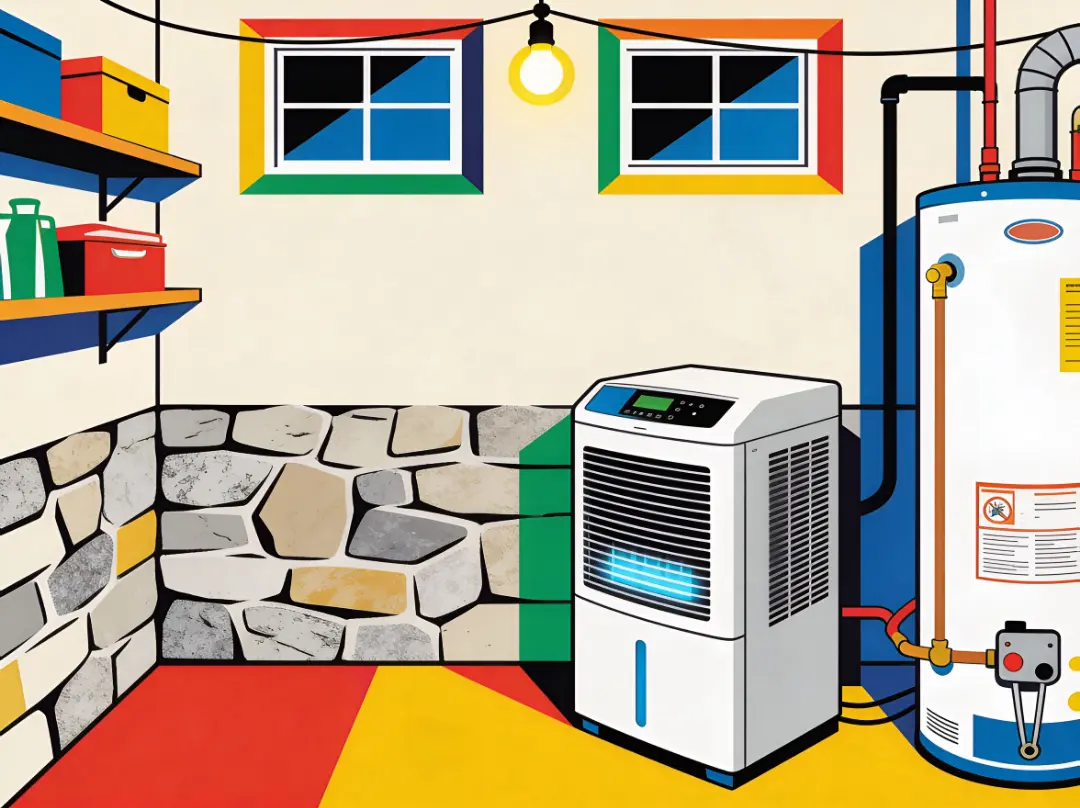
In older Philadelphia homes, basements and attics are the two biggest trouble spots. A finished basement that feels damp and stagnant is more than a comfort issue. Poor air movement down there can affect the entire house. If you've spent any time in basements around here, you've probably noticed a standalone dehumidifier running in the corner. There's a reason that's so common. Many of our older basements have stone or uncoated block walls that absorb moisture from the ground, and in the summer that moisture meets warm air and turns the whole space clammy. A good dehumidifier pulling 50 or 70 pints a day can transform a basement from musty to livable, and it helps the rest of the house feel better too since that damp air doesn't stay contained down there.
Attics are the opposite problem. If hot air gets trapped up there with no ventilation, it radiates heat down into the living spaces below. Even a basic attic fan or ridge vent setup can make a noticeable difference.
Ceiling fans help too, especially in homes with tall ceilings where cool air settles low and warm air collects up high.
Trees Are Part of the Equation
One thing that doesn't show up on an HVAC quote but makes a real difference: mature trees. Philadelphia's densest tree canopy is concentrated in the northwestern parts of the city, including neighborhoods like Wissahickon, Chestnut Hill, and Mt. Airy. That's more than scenery. A large shade tree cooling a south-facing stone or brick wall can meaningfully reduce how much heat that wall absorbs and re-radiates into the house. Brick and stone hold heat, and on a 95-degree day, that stored heat keeps your house warm long after the sun goes down. Trees are free cooling, and they're one of the reasons these neighborhoods feel different on a hot day. I wrote more about why Philadelphia's trees matter if you want to dig into that.
The city currently sits at about 20% tree canopy coverage, well below the 30% target that's considered healthy. Organizations like the Pennsylvania Horticultural Society are working to close that gap through their Tree Tenders program, which has planted over 35,000 trees across the region. If you're buying a home, pay attention to what's growing around it. That canopy is doing more work than you might think.
Thinking About It Practically
The right cooling system depends on your house, your budget, and what's already in place. A home with existing ductwork might just need a more efficient condenser and a good tune-up. A hundred-year-old twin with radiator heat might be a perfect candidate for high-velocity or mini-split. And for every home, good airflow habits (keeping basement air moving, venting the attic, using fans) can extend what your system can do.
If you're shopping for a home in Northwest Philly or Montgomery County and wondering what the cooling situation looks like, that's something I always pay attention to during showings. I'm happy to walk through what you're seeing and help you think through what it would take to stay comfortable. Just reach out.
Sources: Carrier: Types of Heating and Cooling Systems, Bryant: Types of HVAC Systems, U.S. Department of Energy: Home Cooling Systems, Pennsylvania Horticultural Society: Tree Planting Initiatives.
Henry is a Philadelphia-based REALTOR® serving buyers and sellers in Northwest Philadelphia and Montgomery County, PA. Questions? Get in touch.
Frequently asked questions
How do you add air conditioning to an old house without ductwork?
The two main retrofit options are high-velocity systems and ductless mini-splits. High-velocity systems (SpacePak, Unico) use small 2-inch flexible ducts that snake through existing walls and ceilings without gutting plaster. They were developed specifically for older homes. Mini-splits skip ducts entirely: an outdoor compressor feeds individually controlled wall units room by room. The right choice depends on the house, budget, and how much visible equipment you'll tolerate.
What is a high-velocity AC system and is it good for old homes?
High-velocity (small-duct) systems were developed in the 1970s specifically for retrofitting homes without ductwork. They deliver air through small, flexible 2-inch ducts with discreet outlets in floors, walls, or ceilings, so a stone colonial or plaster-walled twin doesn't need to be torn apart. A bonus for Philadelphia summers: they remove significantly more humidity than conventional central air.
Why do older stone and brick homes stay hot at night?
Masonry holds heat. A stone or brick wall that absorbs sun all day re-radiates that heat into the house long after sunset. Shade, especially from mature trees on the south-facing side, meaningfully reduces how much heat the wall absorbs in the first place, which is one reason heavily-canopied neighborhoods like Mt. Airy and Chestnut Hill feel different on a 95-degree day.