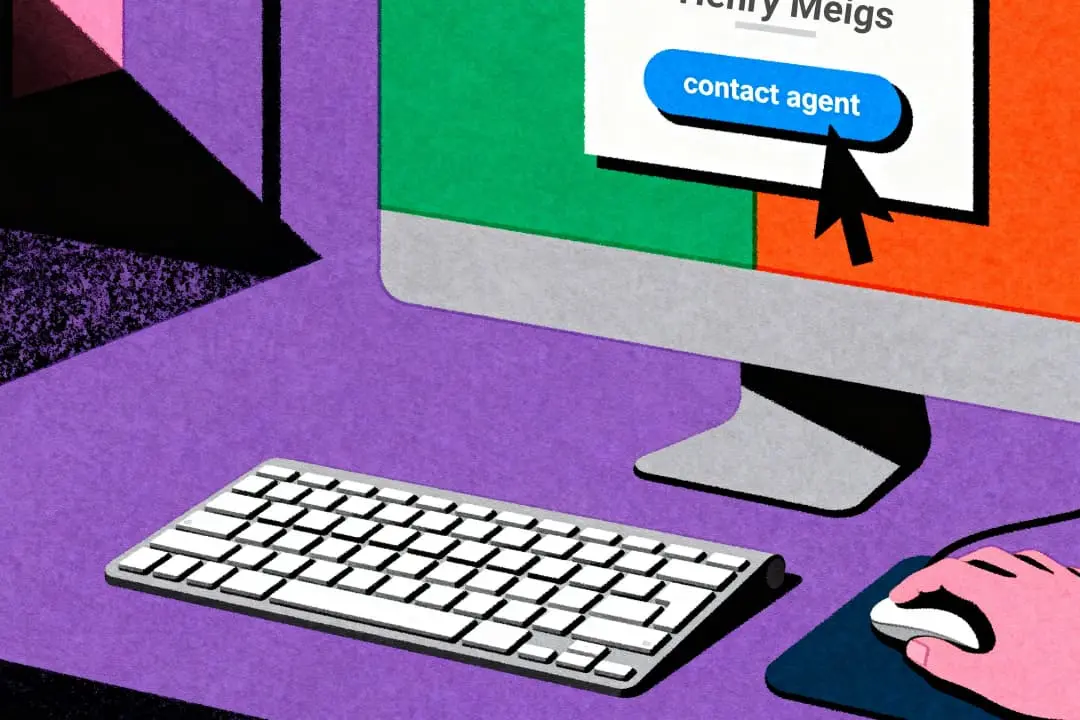
A good client of mine mentioned something casually the other day that sent my realtor senses into overdrive. He'd spotted a house in his neighborhood and did what millions of buyers do every day: pulled up Zillow and clicked "Contact Agent."
Simple enough, right? Except that button almost certainly didn't connect him to the listing agent.
That Button Goes to an Advertiser
This surprises most people. Zillow is, at its core, an advertising platform. Agents pay to have their contact information appear on listings, including listings they didn't list. When you click "Contact Agent," you're typically routed to whoever purchased that advertising spot in that ZIP code, not the agent who actually knows the property.
It's been subject to real scrutiny. A lawsuit was filed arguing the interface misleads consumers into thinking they're reaching the listing agent. You can read more about it here.
How Agents Get on Your Screen
Zillow runs two main programs. Zillow Premier Agent is pay-to-play: agents buy a share of impressions in specific ZIP codes. Spend more, get more leads. The agent who responds to your inquiry got there by outbidding others for that territory, not because they know the home you're asking about.
Zillow Preferred (formerly Zillow Flex) is invite-only. Instead of paying upfront, these agents pay Zillow a referral fee when a deal actually closes. The lead routing is more precise, but the underlying dynamic is identical: the agent on the other end of your form is there through a business arrangement with Zillow.
Plenty of good agents work within both programs. The point is that the person who responds chose that ZIP code. They didn't choose that house.
What This Means for You as a Buyer
The agent who responds often knows as much about the property as you do. They're starting from scratch. You might wait hours to hear back, get passed to someone else, or find yourself working with an agent you never consciously chose.
One more thing worth knowing: once you submit that form, your contact information becomes a lead. You may hear from more than one agent. That's just how the funnel works.
The Life of a Lead
It's worth understanding what the next 48 hours look like after you click, because it catches people off guard.
Speed-to-lead is the metric Zillow's agent programs run on. Agents in these programs are evaluated partly on how fast they respond, so the first call or text often arrives within minutes, sometimes while you're still scrolling the photos. If the first agent doesn't connect with you, the lead may be passed to another agent on the team. Many Premier Agent accounts are actually teams, so the name on the ad and the person who calls you can be two different people, and the person who calls you and the person who'd show you the house can be different again.
Then comes the follow-up sequence. Real estate teams work leads on a schedule: a call, a text, an email, then more over the following days and weeks. None of this is sinister. It's a sales funnel doing what funnels do. But if you were "just curious" about one house, you've signed up for considerably more conversation than you intended.
The other thing buyers don't anticipate: the questions in that first call aren't really about the house. They're qualification questions: are you pre-approved, do you have a home to sell, what's your timeline. The agent is evaluating you as a prospective client, which is fair enough, but it's a different conversation from "can you tell me about this property," which is what you thought you were asking for.
One Click Now Comes With Paperwork
There's a newer wrinkle that makes the casual click less casual than it used to be. Since the NAR settlement changes took effect in August 2024, an agent can't tour a home with you until you've signed a written agreement. So the agent who answers your Zillow inquiry will, correctly, put a document in front of you before you ever see the house.
Depending on the agent, that might be a limited touring agreement covering just that showing, or it might be a fuller buyer representation agreement. Both are legitimate, but one of them is a relationship decision, and you shouldn't make it standing on a porch with a lockbox open. If you're handed a buyer agency agreement by an agent you met four hours ago through a form, it's entirely reasonable to say you'd like to read it first, or to ask whether they'll do the showing under a touring agreement while you decide.
I wrote more about how offers and representation actually work in my guide to submitting an offer, but the short version is: choosing who represents you in the largest purchase of your life deserves more deliberation than a ZIP-code auction can give it.
What to Do Instead
If you want to reach the actual listing agent, scroll toward the bottom of the Zillow listing page and look for "Listed by." Their contact info is right there.
If you already have a buyer's agent, just send them the link. They'll set up the showing. That's a significant part of what they're there for.
The Real Story
When I asked my friend why he didn't just call me, he said he didn't want to bother me with a house he wasn't even sure about. He was just curious.
I hear this all the time. Looking at a house, even a longshot, is exactly what agents are for. That's how you figure out what you actually want.
So if you spot something in Mt. Airy, Chestnut Hill, Germantown, or anywhere in Northwest Philly and you want to take a look, just reach out. I live in Mt Airy, and my Mt Airy service page covers how I work with buyers here.
Henry is a Philadelphia-based REALTOR® serving buyers and sellers in Northwest Philadelphia and Montgomery County, PA. Questions? Get in touch.
Frequently asked questions
Does the 'Contact Agent' button on Zillow reach the listing agent?
Usually not. Zillow sells that contact placement to agents through its Premier Agent advertising program, so clicking the button typically routes you to an agent who paid for leads in that ZIP code, not the agent who listed the home. The actual listing agent is shown lower on the page under 'Listed by.'
How do I contact the actual listing agent on Zillow?
Scroll toward the bottom of the listing page and look for the 'Listed by' section, which names the listing agent and brokerage. You can contact them directly from there. If you're already working with a buyer's agent, the simpler move is to send them the listing link and let them arrange the showing.
What happens to my information after I submit a Zillow contact form?
Your contact information becomes a lead. You may be called or texted quickly, often within minutes, and possibly by more than one party, since lead follow-up speed is a core metric in Zillow's agent programs. Expect follow-up to continue for a while even if you don't respond.
Do I have to sign anything to tour a home with an agent from Zillow?
Yes. Since the NAR settlement took effect in August 2024, agents must have a written agreement with a buyer before touring a home with them. The agent who responds to your Zillow inquiry will ask you to sign one: possibly a limited touring agreement, possibly a fuller buyer agency agreement. Read what you're signing before the showing, not at the door.